Case studies · 1 available

What do we know happened—and what do we know about how it happened?

Each case begins with a defined question, shows the evidence and uncertainty, and keeps ancestry, mechanism, and temporal adequacy as separate conclusions.

One ancestry case assessed · transformation and temporal assessments in progress

Research collection

Each investigation tests a specific question.

Each entry names a scientific question, the evidence being examined, the status of separate assessments, and what remains unresolved.

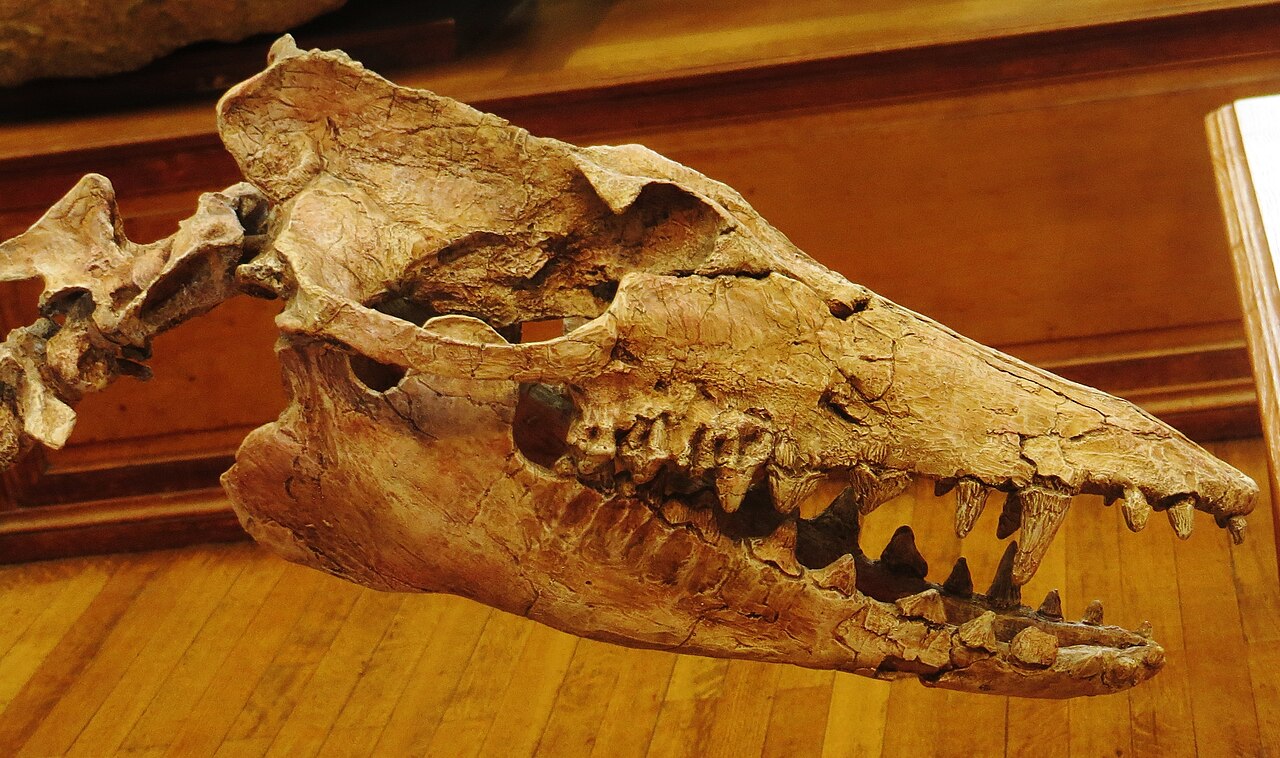
Museum-displayed Pakicetus skull viewed from the side
Authentic specimen photograph · evidence requires comparison, context, and explicit limits

Flagship investigation · Whale origins

From land mammals to whales: how much of the transition can we reconstruct?

Scientific questionDo fossil, genomic, anatomical, and developmental observations support shared ancestry at the tested boundary—and how completely do they reconstruct the transformation?

Evidence types
  • Fossils
  • DNA / genomics
  • Anatomy
  • Development
Ancestry
Assessment available
Major biological transformation
Assessment in progress
Temporal adequacy
Assessment in progress

UnresolvedA complete transformation specification, integrated pathway assessment, and Temporal Adequacy analysis.

Enter the investigation

Future cases

Placement is not a conclusion.

Additional lineage boundaries and major transformations require a defined scope, source protocol, predictions, confounders, and decision rules before assessment.

StatusInsufficient evidence for assessment

No future case conclusion is implied by appearing in the project’s planned scope.