Biological Origins Project
How did the diversity and complexity of life develop?
Explore what biological evidence can tell us about ancestry and major change. Then, in a separate section, consider how those findings may relate to biblical creation.
Choose a question to begin.
Atmospheric concept illustration · not scientific evidence.Choose a gallery
Why this project exists
The Biological Origins Project was created because discussions about biological origins often combine different questions: who is related to whom, how major biological transformations occurred, and what scientific findings may mean beyond science.
The project separates those questions so that each can be examined using the evidence appropriate to it, with uncertainty, limitations, and conditions for changing conclusions made visible.
Learn more about the project and its founder →Two scientific questions
Two questions organize the scientific investigation.
Summary
How did the change occur?
Two questions are being tested. First: are these organisms related? Second: how did the major changes occur? Evidence for shared ancestry can be strong even when parts of the transformation pathway remain incomplete. An incomplete pathway does not, by itself, show separate ancestry.
Technical detail
Ancestry tests connected genealogy and proposed lineage boundaries. Major Biological Transformation tests historical continuity, intermediates, development, genetics, mechanism, feasibility, direct observation, integration, alternatives, and Temporal Adequacy.
Ancestry — Who is related to whom?
One tree of life—or multiple ancestral lineages?
Common ancestry is the prevailing scientific interpretation. The Multiple Ancestral Lineages Hypothesis (MALH) is a working alternative hypothesis under test, not an equally established theory.
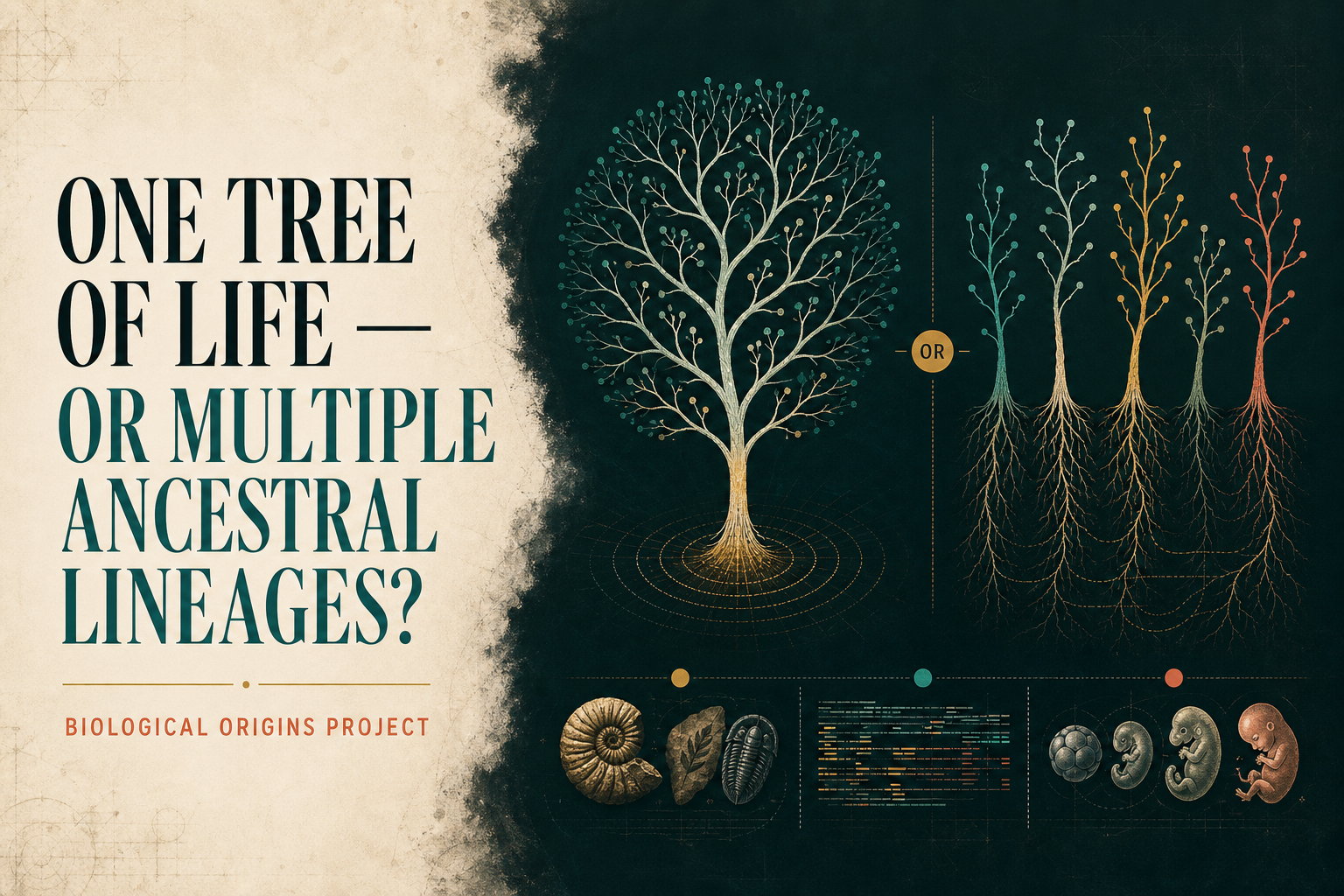
Gene exchange between organisms, symbiosis, and other network-like relationships can complicate life’s history. By themselves, they do not show that groups arose independently.
Explore AncestryMajor Biological Transformation — What changed—and how?
How did major biological transformations occur?
Major Biological Transformation asks how a defined change could have happened: the steps involved, how those steps worked together, the organisms’ environment, and whether the proposed pathway fits the available time.
Ancestry and mechanistic reconstruction are assessed separately.
Explore Major Transformations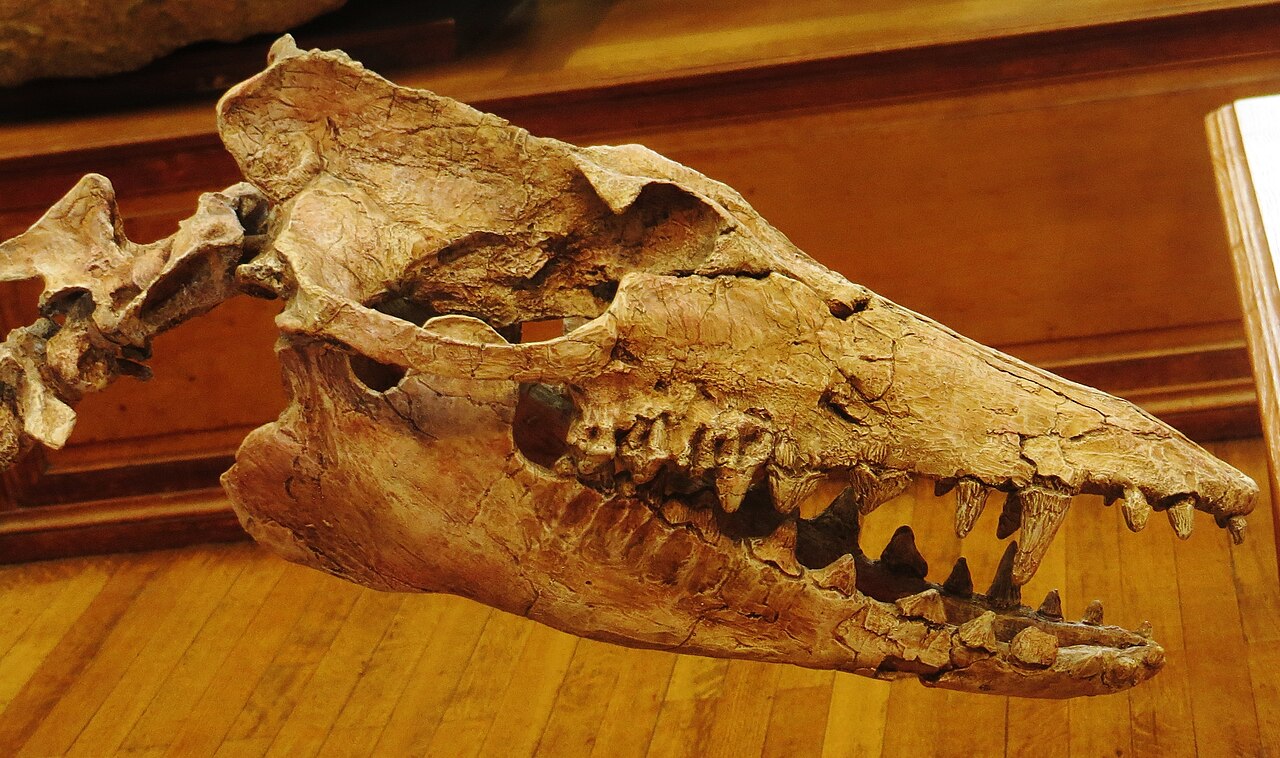
Featured investigation · Whale Origins
From land mammals to whales: how much of the transition can we reconstruct?
Record a prediction, inspect fossil, DNA / genomics, anatomical, and developmental evidence, and follow the full evidence journey.
- Ancestry
- Assessment available
- Major transformation
- Assessment in progress
- Temporal Adequacy
- Assessment in progress